The Bible Makes the Community Come Alive
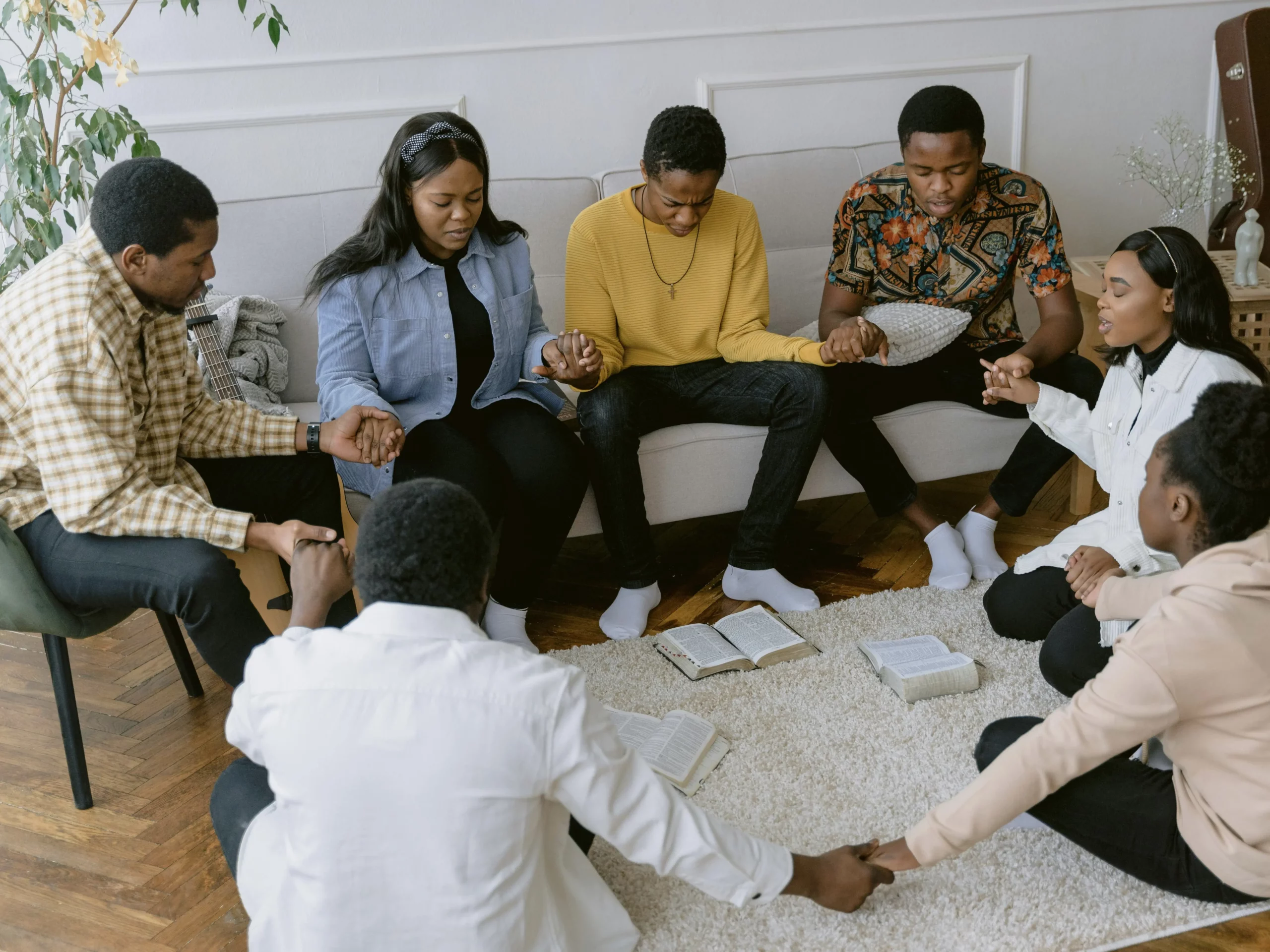
From the beginning, God has revealed himself to a people gathered in his presence. When the Lord speaks at Sinai, he addresses the whole assembly of Israel, calling them together to hear his words (Exodus 19:3–6; 20:1–2). Later, Moses reminds the people that they stood before the Lord “to hear all the words of the Lord” as a community (Deuteronomy 4:10).
Scripture consistently presents God’s Word as something to be heard together, not merely studied in isolation. The public reading of the law, the prophets, and later the apostolic writings forms the people of God across generations (Joshua 8:34–35; Nehemiah 8:1–3; Colossians 4:16). Communal Bible reading is therefore not a secondary practice, but a primary means by which God shapes, instructs, and sustains his covenant people.
To read the Bible together is to place ourselves within this biblical pattern of shared listening before God as a community.
God speaks to his gathered people
Throughout Scripture, God addresses his Word to an assembled people. When Israel stands on the edge of the promised land, Moses commands that the law be read aloud to all — men, women, children, and foreigners — “so that they may hear and learn to fear the Lord your God” (Deuteronomy 31:12).
Similarly, in Nehemiah 8, the people gather as one to hear the Book of the Law read aloud. The reading is accompanied by explanation, but it is the public hearing of God’s Word that leads to repentance, worship, and renewed obedience. The Word forms the people as a people, bound together as a community.
In the New Testament, this pattern continues. Paul instructs that his letters be read aloud to the churches (Colossians 4:16; 1 Thessalonians 5:27). The risen Christ addresses entire congregations in Revelation, calling them together to faithfulness, repentance, and perseverance.
Communal Bible reading places us where Scripture expects us to be: among God’s gathered people, attentive to his voice together.
The Word forms us through shared listening
Romans 10:17 tells us that “faith comes from hearing, and hearing through the word of Christ.” While hearing can occur individually, Scripture consistently frames hearing as a communal act. Faith is not merely strengthened by private insight, but by shared attentiveness to God’s revealed Word within the life of the community.
When Scripture is read aloud in community, it confronts us before we have time to filter or domesticate it. We hear words we did not choose, texts we may not prefer, spoken into a shared space where we must reckon with them together.
This shared listening cultivates humility. We are reminded that the Bible does not belong to any one person, personality, or perspective. Instead, we submit ourselves together under the authority of God’s Word, trusting the Spirit to work among us (John 16:13).
The Spirit works through the gathered body
Theologically, communal Bible reading is grounded in the doctrine of the church as the body of Christ. Paul reminds the Corinthians that “to each is given the manifestation of the Spirit for the common good” (1 Corinthians 12:7). Insight, wisdom, conviction, and encouragement are distributed across the body, not concentrated in a single voice.
As Scripture is read in community, the Spirit uses the gathered body to illuminate the Word. One person’s question sharpens another’s understanding. One person’s testimony helps another hear the text afresh. This is not relativism, but Spirit-led discernment within the bounds of Scripture itself.
Communal reading reflects the conviction that God speaks among his people, not merely to isolated individuals.
Scripture binds us into one story
Ephesians 2 describes how God creates “one new humanity” in Christ, reconciling diverse people into a single household. Communal Bible reading reinforces this shared identity by locating every listener within the same redemptive story.
As we hear Scripture together, we are reminded that our personal stories are caught up in something larger — God’s unfolding work of creation, covenant, redemption, and restoration. We are shaped not only as individuals seeking guidance, but as a community learning to live faithfully in the world.
This shared narrative forms groups marked by patience, grace, and endurance, grounded not in personality or preference, but in God’s revealed purposes.
The Word read together leads to shared response
In Scripture, hearing God’s Word always invites response. In Nehemiah 8, the people weep, rejoice, and commit themselves anew. In Acts 2, the apostles’ teaching leads to repentance, baptism, fellowship, prayer, and shared life.
When Scripture is read communally, response becomes communal as well. Prayer rises from the gathered body. Confession is shared. Hope is strengthened. Obedience is pursued together.
This guards against a purely individualistic faith, where response is private and accountability minimal. Instead, Scripture forms people who encourage one another “day by day” (Hebrews 3:13), helping each other remain faithful.
A faithful practice for the church today
Communal Bible reading is not dependent on charisma, expertise, or innovation. It is a simple, faithful practice that places the church under the Word of God and trusts the Spirit to do the work of formation.
In an age of fragmentation, speed, and distraction, reading the Bible together re-centres the church on what it has always needed most: hearing God speak, together.
By gathering to listen to Scripture, believers are reminded that they belong to one another because they first belong to God — a people called, shaped, and sustained by his Word.